
On This Page(10)
Pregnancy Monitoring Tests for Detecting Fetal Defects: The Complete Guide

If pre-pregnancy tests are the "first line of defense," tests during pregnancy are the second line - and the most critical one. Most defects are discovered (or should be discovered) during pregnancy through a system of tests designed to screen and diagnose structural, chromosomal, and genetic defects.
When a doctor misses a defect that should have been detected in these tests - this constitutes clear medical malpractice.
In this article we will cover all types of pregnancy monitoring tests, when each test is performed, what each test identifies, and when a doctor must refer for advanced testing.
Timeline - When Is Each Test Done?
| Week of Pregnancy | Test | What Is Detected |
|---|---|---|
| 11-14 | Nuchal translucency + blood test | Risk of Down syndrome and defects |
| 16-18 | Triple/Quad screen (blood test) | Risk of Down syndrome and neural defects |
| 20-24 | Anatomical ultrasound | Structural defects (heart, brain, kidneys, etc.) |
| 11-14 or 15-20 | CVS (chorionic villus sampling) | Chromosomal/genetic defects |
| 15-20 | Amniocentesis | Chromosomal/genetic defects |
| 24-28 | Gestational diabetes test | Gestational diabetes |
Screening Tests
What is a "screening" test? A test that does not provide a definitive diagnosis, but rather a risk assessment - whether there is a high or low risk of a defect. If the risk is high, a diagnostic (invasive) test is recommended.
1. Nuchal Translucency (NT)
When: Weeks 11-14 of pregnancy
How: Ultrasound (abdominal or vaginal)
What is examined: Nuchal translucency - fluid accumulation at the back of the fetus's neck. The thickness of this translucency indicates the risk of defects.
What is detected:
- Down syndrome (Trisomy 21)
- Edwards syndrome (Trisomy 18)
- Patau syndrome (Trisomy 13)
- Heart defects (increased risk)
Results:
- Low NT (below 2.5 mm): Low risk ✅
- High NT (above 3.5 mm): High risk ⚠️ - invasive testing recommended
This test is part of the "combined screening."
2. Combined First Trimester Screening
When: Weeks 11-14
How:
- Ultrasound (nuchal translucency)
- Maternal blood test (hormones: Free β-hCG and PAPP-A)
- Maternal age
Risk calculation: Combines all 3 parameters (NT, hormones, age) to calculate the personal risk for Down syndrome.
Results:
- Low risk (e.g., 1:10,000): No invasive testing needed ✅
- High risk (e.g., 1:50): Invasive testing strongly recommended (amnio/CVS) ⚠️
Example: A 38-year-old woman, NT=3.2 mm, abnormal hormones - risk of 1:30 for Down syndrome - amniocentesis must be recommended!
3. Triple/Quadruple Screen
When: Weeks 16-18
How: Maternal blood test
What is examined: AFP (Alpha-fetoprotein), hCG, Estriol, (Inhibin A - if "quadruple")
What is detected:
- Down syndrome
- Edwards syndrome
- Neural tube defects (NTD) such as Spina Bifida (open back)
Important: This test is less accurate than first trimester combined screening. Today the recommendation is combined screening + anatomical ultrasound rather than the triple/quad screen. However, if combined screening was not performed (e.g., the woman came in late) - this test is done instead.
4. NIPT (Non-Invasive Prenatal Testing) - Cell-Free DNA Testing
This is a new and revolutionary test!
When: From week 10 onwards
How:
- Simple maternal blood draw
- Tests fetal DNA floating in the mother's blood
- No uterine invasion required!
What is detected:
- Down syndrome (99% sensitivity!)
- Edwards syndrome
- Patau syndrome
- Additional chromosomal defects (depending on the test)
- Fetal sex
Advantages:
- Very accurate (almost as accurate as invasive testing!)
- No risk (blood draw only)
- Early (from week 10)
Disadvantages:
- Not covered by health insurance! Cost: approx. $400-$1,000
- Does not detect structural defects (chromosomal only)
Does this replace amniocentesis? No! NIPT is a screening test, not a diagnosis. If the result is positive - confirmation via amniocentesis is required.
Who should have NIPT?
- Everyone (if budget allows) - this is the best screening test available
- Essential if combined screening returned a high risk (as an alternative to amnio, or before amnio)
Doctor's duty: A doctor must offer NIPT or amniocentesis to women with a high-risk combined screening result - even if it is not covered by insurance!
Example: A 40-year-old woman, combined screening returned 1:100. The doctor must offer:
- Amniocentesis (covered by health insurance)
- NIPT (not covered, but more accurate and risk-free)
If the doctor does not offer - this is negligence.
Diagnostic Tests
What is a "diagnostic" test? A test that provides a definitive answer - whether a defect is present or not. The disadvantage: these tests are invasive (enter the uterus) and carry a small risk of miscarriage.
1. Chorionic Villus Sampling (CVS)
When: Weeks 11-14 (early!)
How:
- A needle is inserted through the abdomen (or through the vagina)
- A sample is taken from the placenta
- The cells are examined
What is detected:
- Chromosomal defects (Down syndrome, Edwards, Patau, etc.)
- Genetic diseases (if known what to look for) - e.g., Tay-Sachs, CF, SMA
Advantages:
- Early - from week 11!
- Results within days
- Option to terminate pregnancy earlier (less traumatic)
Disadvantages:
- Miscarriage risk: approximately 0.5-1% (low, but present)
- Does not test for neural tube defects (NTD)
Recommended for:
- Women with high risk who want early results
- Carrier couples for a genetic disease (want to know if the fetus is affected)
2. Amniocentesis
When: Weeks 15-20 (usually 16-18)
How:
- A needle is inserted through the abdomen into the amniotic fluid (the fluid surrounding the fetus)
- Approximately 20 ml of fluid is drawn
- The cells from the fluid are examined
What is detected:
- Chromosomal defects (Down syndrome, etc.)
- Genetic diseases
- Neural tube defects (NTD) - by testing AFP in the fluid
Advantages:
- Very accurate (99%+)
- Lower miscarriage risk than CVS
- Also tests for NTD
Disadvantages:
- Miscarriage risk: approximately 0.1-0.3% (very low!)
- Later than CVS (week 16 vs. week 11)
- Terminating pregnancy at week 16-18 is more difficult
Recommended for:
- All women over age 35 (covered by health insurance!)
- High-risk combined screening/NIPT
- Anatomical ultrasound that found a suspected defect
- Carrier couples
Doctor's duty: A doctor must offer amniocentesis to every woman over 35 (or with other risk factors), and must also inform younger women about the option of this test.
Failure to offer amniocentesis to a woman over 35 or failure to inform a younger woman about the option = negligence!
3. Cordocentesis - Rare
- Drawing blood from the fetus (from the umbilical cord)
- Genetic testing of fetal blood
- Performed only in very special cases when CVS/amnio have not succeeded
- Very rare today
Anatomical Ultrasound - The Most Critical Test
This is the most important test in pregnancy!
When: Weeks 20-24 (usually week 20-22)
How: A detailed and thorough ultrasound, examines every organ and system of the fetus, takes 30-60 minutes (unlike a routine ultrasound!).
What Is Examined in the Anatomical Ultrasound
A. Brain and skull:
- Head size, brain ventricles, brain structure
- Detects: hydrocephalus (water on the brain), anencephaly (absent brain), other brain defects
B. Face:
- Eyes, nose, mouth
- Detects: cleft lip/palate, facial defects
C. Spine:
- All vertebrae
- Detects: Spina Bifida (open back), spinal defects
D. Heart:
- 4 chambers, valves, major blood vessels
- Detects: heart defects (VSD, ASD, ToF, etc.) - the most common defect!
E. Kidneys and bladder:
- Both kidneys, size, urinary bladder
- Detects: renal agenesis (absent kidney), hydronephrosis (enlarged kidney), urinary defects
F. Limbs:
- Hands, feet, fingers
- Detects: missing parts, deformities, skeletal defects
G. Abdominal wall:
- Is it closed?
- Detects: gastroschisis, omphalocele (organ herniation)
H. Placenta and umbilical cord:
- Placenta location, number of blood vessels in the cord
In total: dozens of parameters are examined.
How Accurate Is the Ultrasound?
| Defect | Detection Rate |
|---|---|
| Severe heart defects | 80-90% |
| Spina Bifida | 90%+ |
| Absent organs | 95%+ |
| Small defects (fingers, face) | 50-70% |
Factors affecting accuracy: Equipment quality, sonographer experience, fetal position, maternal weight.
What Happens If a Defect Is Found?
If a suspected defect is found:
Referral to a specialist:
- High-level ultrasound (Level III)
- At a hospital with specialists
Additional tests:
- Amniocentesis (to check chromosomes)
- Fetal MRI (to assess brain)
- Fetal echocardiography (to assess heart)
Medical consultation:
- A specialist doctor explains the defect
- Prognosis - what is expected after birth
- Treatment options (if available)
- Counseling regarding continuation of the pregnancy
Doctor's Duty in Anatomical Ultrasound
The doctor (or sonographer) must:
- Examine all systems according to protocol
- Document the findings
- Refer to a specialist if a defect is suspected
- Explain to the parents what was found
Failure to detect a defect that should have been visible = negligence!
Additional Tests as Needed
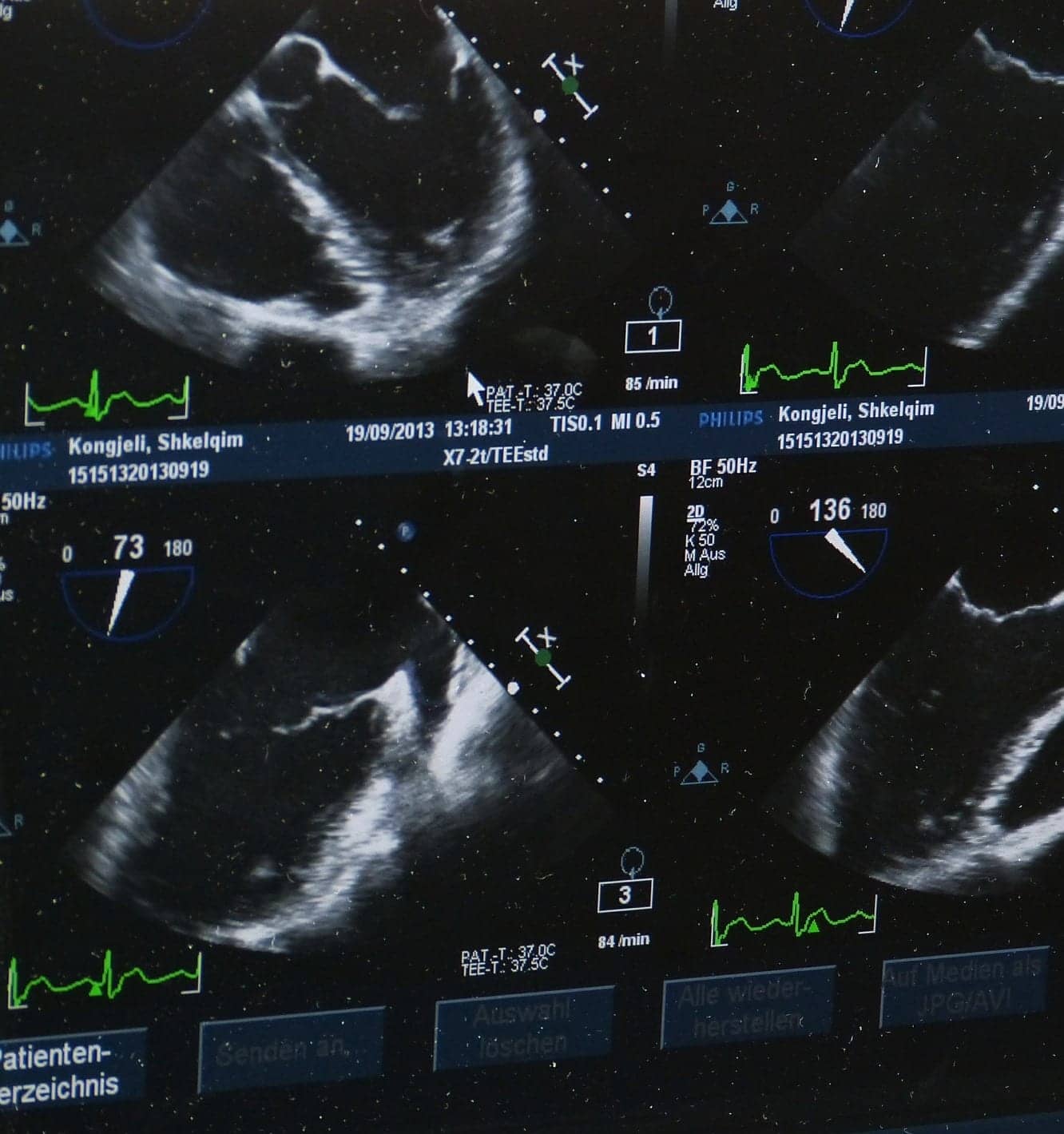
1. Fetal Echocardiography
When:
- Suspected heart defect on anatomical ultrasound
- Family history of heart defects
- Diabetic mother
- Medications that cause heart defects
What it is: A specialized ultrasound of the heart, performed by a pediatric cardiologist.
What it detects: Complex heart defects not visible on routine ultrasound.
2. Fetal MRI
When: Suspected brain defect, unclear ultrasound.
What it is: MRI (magnetic resonance imaging) of the fetus, higher resolution than ultrasound.
What it detects: Complex brain defects, tumors.
3. Whole Exome Sequencing (WES)
When: A structural defect was found on ultrasound but routine amniocentesis (chromosome testing) returned normal.
What it is: Advanced genetic testing, examines all of the fetus's genes.
What it detects: Rare genetic mutations causing defects.
Important: Not covered by health insurance! Expensive: approx. $1,500-$4,500. Does not always find an answer.
Summary of Tests - What Is Mandatory and What Is Not
Tests that are mandatory (standard):
✅ For every pregnant woman:
- Combined screening (week 11-14)
- Anatomical ultrasound (week 20-22)
✅ For women over 35 (or with risk factors):
- Amniocentesis
Recommended tests (not covered, out of pocket):
- NIPT (instead of or in addition to combined screening)
- Fetal echocardiography (if risk factors present)
- Fetal MRI (if brain defect is suspected)
- Amniocentesis
Special tests (only in specific cases):
- CVS (carrier couples, want early results)
- Whole exome sequencing (structural defect on ultrasound but normal chromosomes)
Cases of Negligence in Pregnancy Testing
Case 1: Missed Down Syndrome on Ultrasound
A 28-year-old woman (young!), combined screening returned normal. During the anatomical ultrasound (week 22) - the sonographer did not notice "soft markers" for Down syndrome: short nasal bone, echogenic focus in the heart, clinodactyly (curved little finger). No specialist referral, no amniocentesis recommended. A baby with Down syndrome was born.
What should have happened: When "soft markers" are seen - a specialist referral and amniocentesis must be offered (even if the combined screening was normal!).
The lawsuit: The court ruled: the sonographer and doctor should have identified the signs and referred. Significant compensation awarded.
Case 2: Undiagnosed Heart Defect
During the anatomical ultrasound, the sonographer "examined" the heart but did not see a VSD (hole between heart chambers). The doctor wrote "normal heart." A baby was born with a severe VSD requiring immediate surgery.
What should have happened: Fetal cardiac examination must be thorough - 4 chambers, valves, blood vessels. If visibility is poor - fetal echocardiography is required.
The lawsuit: The court ruled: the sonographer did not examine the heart properly. A large VSD should have been visible. Significant compensation (surgery costs, treatments, pain and suffering).
Case 3: Undiagnosed Spina Bifida
During the anatomical ultrasound - the sonographer did not carefully examine the spine. Spina Bifida (open back) in the lower vertebrae was not identified. The baby was born with the defect, required immediate surgery, and was left with leg paralysis and bladder and bowel problems.
What should have happened: Spina Bifida should be visible on anatomical ultrasound! The sonographer must examine every vertebra of the spine.
The lawsuit: Clear negligence. Had a diagnosis been made, the parents would have terminated the pregnancy. Compensation: millions of dollars.
Tips for Parents
1. Make sure all standard tests are performed
Do not skip:
- Combined screening (week 11-14)
- Anatomical ultrasound (week 20-22)
If risk factors are present - demand: amniocentesis, NIPT.
2. Ask questions during the anatomical ultrasound:
- "Did you examine the heart?"
- "Did you examine the spine?"
- "Does everything look normal?"
If something is unclear - demand an explanation.
3. If "soft markers" are present - insist on further testing
If the sonographer says "there's a small sign, but it's probably nothing" - ask what the sign is and demand a specialist referral or amniocentesis. Better to be certain!
4. Keep documentation
Keep: results of all tests, ultrasound images, what the doctor/sonographer said.
5. If you are uncertain - get a second opinion
Better to invest in an additional private ultrasound than to have regrets later.
Summary - Key Points
- Pregnancy tests identify most defects - but not all
- Combined screening + anatomical ultrasound are the most important tests
- NIPT is the best test for chromosomal syndromes (but not covered by insurance)
- Amniocentesis is the definitive test - recommended for women over 35 or with high risk
- Anatomical ultrasound must be thorough and detailed - failure to identify a defect = negligence
- The doctor must refer for appropriate tests based on risk factors
- The doctor must offer all available tests even if there is no specific indication (for example, amniocentesis for a 25-year-old woman)
- Do not skip tests - they are critical!
Prevention = early detection. Early detection = choice.
For further questions about wrongful birth and medical malpractice during pregnancy, contact a specialist attorney.
This article provides general information only and does not constitute medical or legal advice.

Natan Ron
Partner and Founder
Attorney Ron is one of Israel's senior attorneys in the field of torts, with over three decades of experience representing clients in challenging cases before various courts, including the Supreme Court.
View Profile