
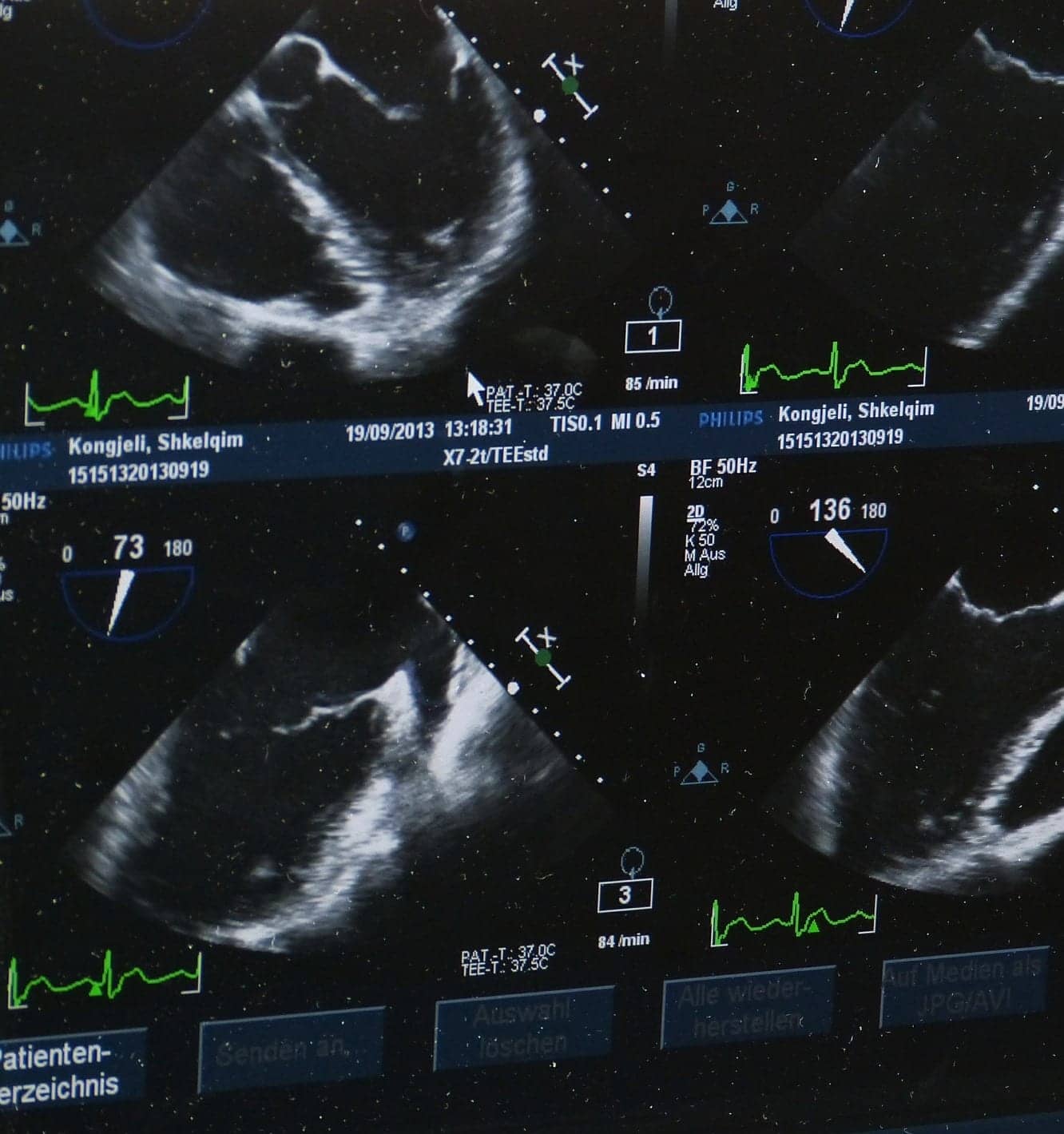
Medical Malpractice in the Anatomy Scan
Attorney Natan Ron | Partner and Founder, Ron-Festinger Law Office
Medical malpractice in the anatomy scan occurs when a fetal defect that should have been identified in the scan, given the level of the examination performed and the accepted standard, was not identified - or was identified but not reported to the parents as required. The parents are thereby deprived of the ability to make an informed decision about continuing or ending the pregnancy. In such cases a cause of action may arise, including a wrongful birth claim - subject to the circumstances of each case.
The anatomy scan is one of the most important tests in pregnancy: it is the main stage at which structural defects in the fetus can be identified. But it is also important to understand its limits - not every defect can be detected, and not every miss is malpractice. On this page we explain what the scan is meant to detect, how the types of scan differ, and when a miss crosses the line and becomes a cause of action.
Was your child born with a defect that was not detected in the scan? We will examine your case with sensitivity and at no cost: 077-4075002 | also available on WhatsApp
What is an anatomy scan and what is it meant to detect?
An anatomy scan is a comprehensive ultrasound examination that surveys the fetus's organs and systems - brain, heart, spine, kidneys, limbs and more - in order to identify structural defects. The scan is performed according to a defined protocol of organs that must be examined and documented, so there is an objective basis for the question of what the scan covered and what should have been visible in it.
Types of scan and how they differ
| Type of scan | Accepted timing | What to know |
|---|---|---|
| Early scan | Around weeks 14-17 | A first review of the fetus's structure; some defects can already be identified at this stage |
| Late scan | Around weeks 19-25 | The main scan; the fetus is more developed and a wider range of defects can be identified |
| Extended / private scan | At the parents' choice | A more detailed examination than the basic scan; whether the parents were told it exists carries legal weight |
An important legal point: the scope of responsibility depends on the type of scan performed. A practitioner who performed a basic scan cannot be required to identify a finding that is covered only by an extended scan. It is, however, possible to examine whether the parents received an explanation of the limits of the examination and of the option of a more detailed scan.
When is a miss in the scan considered malpractice?
- A defect covered by the scan that was performed - and was not identified, even though it could have been seen at a reasonable quality of examination
- A suspicious finding that was observed - but was not reported, not documented or did not lead to a referral for further investigation
- Inadequate examination conditions - partial images or poor quality, without the parents being referred to complete the examination
- Failure to inform the parents of the limits of the scan and of the existence of more detailed tests - in a way that deprived them of an informed choice
- Failure in following up on a finding - a finding that was reported but not translated into a referral for counseling, supplementary tests or monitoring
Typical defects in scan claims
Defects that appear in claims in this field include: structural heart defects, defects of the nervous system and spine, limb defects, defects of the kidneys and urinary tract, and defects of the digestive system. It is important to stress that detection rates vary between types of defect, between stages of pregnancy and between levels of examination - so the question is not "was the defect detected" but "could it have been detected in the scan that was performed, at a reasonable level of skill".
The connection to a wrongful birth claim
When a defect missed in the scan is discovered only after birth and the child is born with a disability, the parents may have a "wrongful birth" cause of action: a claim concerning the denial of their right to make an informed decision about continuing the pregnancy, and compensation for the costs of raising a child with a disability. This is a legal field in its own right, governed by Supreme Court case law, and we expand on it on the dedicated page.
How is malpractice in an anatomy scan proven?
- Collecting the material - the scan images themselves, the examination report, the pregnancy follow-up card and the referrals
- Comparison to the protocol - what the scan that was performed was supposed to cover, and what was actually documented
- An expert opinion in fetal imaging - whether the defect was visible or should have been visible in the images, at a reasonable level of skill
- Examining the chain of information - what the parents were told, what was explained about the limits of the examination, and which options were presented
- Assessing the damage and filing the claim
Accompanying you with sensitivity - the experience of Ron-Festinger
Anatomy scan cases touch on the hardest questions a family can ask. The Ron-Festinger firm has accompanied families in these cases for over 44 years, together with leading experts in fetal imaging and gynecology - and with the sensitivity that is required. The initial review is free of charge, and legal fees are collected only if the claim succeeds.
To arrange an initial consultation: 077-4075002 | also available on WhatsApp
Examples of medical malpractice claims for defects not diagnosed in anatomy scans that our firm handled
The cases below, taken from the firm's files, illustrate typical failures in the chain of tests during pregnancy: a finding that was observed but not correctly diagnosed, a defect that was missed in the scan, and a failure to refer for an extended investigation despite a suspicious sign. Every case is examined according to its circumstances, and the result of one case does not indicate the result of another.
Severe heart defects missed in two fetal echocardiograms
During the pregnancy the mother underwent two anatomy scans, and in both the examiner noted an abnormal condition of the fetus's heart. Because of these findings the examiner recommended, in each of the scans, a fetal echocardiogram.
The mother underwent two fetal echocardiograms by a specialist, one in week 18 of the pregnancy and the other in week 22. Both were read as normal, although in fact the fetus suffered from significant and severe heart defects. These defects existed at the time of the tests, there was a duty to rule them out, and they could and should have been diagnosed in each of the tests.
As a result of the negligent performance of the echo tests, life-threatening heart defects were missed and were diagnosed only after birth. Immediately after birth the newborn underwent complex heart surgery, but was left with severe cardiac and neurological damage.
Had the heart defects been diagnosed as required, they would have justified an application to the pregnancy termination committee, which would have approved the termination. Because they were missed, the parents were denied the possibility of applying to the committee and preventing the birth of the plaintiff with his severe disabilities.
Undiagnosed VACTERL syndrome: a single umbilical artery and a limb defect missed in the scans
A baby girl was born with a severe genetic syndrome, VACTERL, which was not diagnosed during the pregnancy although it could and should have been. According to the claim, the failure resulted from negligent performance of the tests by the health fund.
The fetus's condition included several problems and defects. Among other things, she had a single umbilical artery, a finding that was known to the person who performed the scan. She was also missing a long bone in the left arm, a defect of the Radial Club Hand type: absence of the radius bone and of the thumb, deformity of the fingers, and a short forearm and ulna. These findings were missed entirely in two scans performed on the mother.
These findings had to be diagnosed and lead to the conclusion that this was VACTERL syndrome, or at the very least to a suspicion of it. In addition, the findings themselves, had they been diagnosed, would have justified an application to the pregnancy termination committee, which would have approved the termination and prevented the birth of the girl with her severe disabilities.
The statement of claim also alleged that the single umbilical artery required the medical staff to refer the mother for an extended, targeted anatomy scan, at a tertiary center or privately. No such referral was made, and the opportunity to discover at an early stage the additional defects with which the baby was born was thereby missed, among them a defect of the vertebrae of the spine (hemivertebra) and anal atresia, as was the opportunity to diagnose the severe genetic syndrome.
Bone measurements documented as normal: a shortened leg missed in the anatomy scan
In another case handled by our firm, the anatomy scan report itself was at the center. The report documented that the length of the long bones in the lower limbs was equal and normal - that is, the limbs were examined and the finding was explicitly recorded as normal.
In fact the girl was born with a significant shortening of one of her legs. The gap between the documentation in the report and the girl's condition at birth showed that this was a finding that could have been identified in the scan during the pregnancy, and that identifying it would have made it possible to obtain approval for a pregnancy termination.
Following the failure to diagnose in the scan and the damage caused, the girl was awarded significant compensation.
Frequently Asked Questions
What must an anatomy scan detect?
The scan examines the fetus's organs according to a defined protocol, and it is required to identify structural defects that are covered by the scope of the examination and can be identified at a reasonable level of skill and quality. Not every defect can be detected in every scan - the scope of responsibility depends on the type of scan, the stage of pregnancy and the conditions of the examination.
The defect was not seen in the scan - is that necessarily malpractice?
Not necessarily. Some defects cannot be detected in the scan, and others develop at later stages. The legal question is whether the defect was covered by the scope of the scan and could have been identified in a reasonable examination - and this is answered by the opinion of an expert in fetal imaging, based on the original images.
What is the legal difference between a scan at the health fund and a private scan?
The more detailed the examination, the wider the range of findings it is required to identify. In addition, we examine whether the parents were told about the limits of the basic scan and about the option of an extended scan. Such a failure to inform may in itself constitute a defect.
A child was born with a defect that was not detected - what should we do?
First, document: keep the scan report, the images and the follow-up card, or ask to receive them from the imaging institute and the health fund - a right established by law. Second, seek a legal review as early as possible. At our firm the initial review is free of charge and includes an expert's review of the scan images themselves.
Whom do you sue - the institute, the doctor or the health fund?
It depends on where the test was performed and who was responsible for the chain of care: a private institute, an institute on behalf of the health fund, or the referring gynecologist. Sometimes responsibility is divided among several parties. Identifying the right defendants is part of the initial legal review.
Contact Us for a Consultation
Questions about the scan you underwent deserve a professional and sensitive answer. We will be glad to look into it, honestly and at no cost. 077-4075002 | WhatsApp | or leave your details in the form | offices in Jerusalem and Tel Aviv. Legal fees only if the claim succeeds.
The information on this page is general information only, does not constitute legal advice and is not a substitute for individual legal advice. Every case is examined according to its circumstances. For a professional assessment of your case, contact us for an initial consultation at no cost and with no obligation.
Need Consultation?
Get professional consultation in Medical Malpractice in the Anatomy Scan
Additional Areas of Expertise
Medical Malpractice in Pregnancy
Negligent pregnancy monitoring, tests that were never done, or a defect that went undiagnosed? When it amounts to medical malpractice in pregnancy, how it is proven, and what compensation covers. Free initial consultation - 44+ years of experience.
Medical Malpractice in Childbirth
Was your baby or the mother harmed during delivery? When it amounts to medical malpractice in childbirth, how it is proven, what compensation covers and how long you have to sue. Specialized in obstetrics - free initial consultation.
Wrongful Birth
Was your child born with a disability that could have been detected during pregnancy? A wrongful birth claim lets parents recover the costs of care. Requirements, case law and compensation - free initial consultation.
Medical Malpractice in Genetic Testing
Were you not referred for genetic counseling? Was a test misread or a result never delivered? When malpractice in genetic testing during pregnancy gives rise to a claim, and what rights parents have. Free initial consultation.
Need Legal Consultation?
Contact us for professional consultation in Medical Malpractice in the Anatomy Scan